
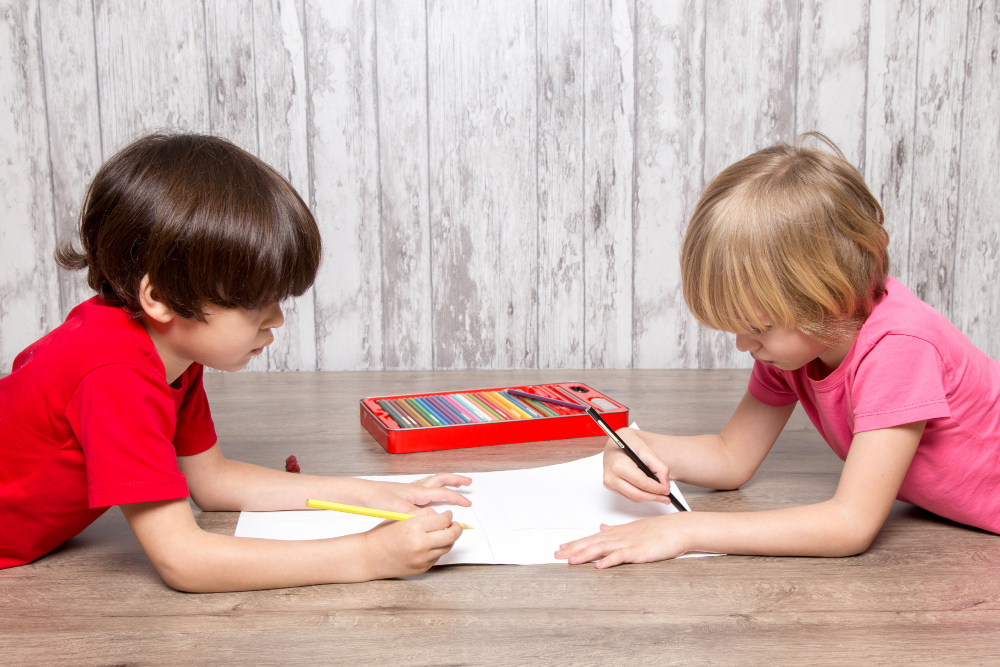
Building little learners: from handwriting to communication is a key part of early childhood development. These skills help children grow, learn, and connect with others. Early childhood handwriting development lays the groundwork for strong communication skills in young children. When parents and caregivers support these steps, children gain confidence and succeed in school and life. In this blog, you will learn why these skills matter, how they connect, and what you can do at home to help your child thrive.
The Importance of Early Handwriting Skills
Handwriting is more than just putting pen to paper. It is a basic skill that helps children express their thoughts. For example, when children learn to write letters and shapes, they also learn to control their hands and fingers. This fine motor control is important for many daily tasks. Early childhood handwriting development also helps children recognize letters and words. As a result, they become better readers and writers. According to the CDC, strong early writing skills are linked to later success in school.
How Handwriting Supports Cognitive and Emotional Growth
Handwriting does not only help with writing. It also supports brain growth and emotional health. When children practice writing, they use memory, attention, and problem-solving skills. These are all important for learning. In addition, writing can help children express their feelings. For instance, drawing or writing about their day can help them process emotions. Studies in psychology journals show that children who write often feel more confident and less anxious. Therefore, handwriting is a tool for both the mind and heart.
Transitioning from Handwriting to Effective Communication
After children master handwriting, they start using it to share ideas. This is where communication skills in young children begin to grow. Writing helps children organize their thoughts. Then, they can talk or write about what they think. As children practice, they learn to listen, speak, and respond to others. These steps are key for building friendships and working in groups. Moreover, strong communication skills help children solve problems and express needs clearly.
Practical Tips for Parents to Support Little Learners
Parents and caregivers play a big role in supporting little learners at home. Here are some simple ways to help:
With these steps, you can make learning fun and meaningful at home.
Signs of Developmental Delays and When to Seek Help
Sometimes, children may struggle with handwriting or communication. It is important to notice signs early. Watch for these signs:
If you notice these signs, talk to your child’s doctor or a child development specialist. Early help can make a big difference.
Prevention and Early Intervention Strategies
Early support can prevent bigger problems later. For example, regular play with blocks, puzzles, and drawing tools can build hand strength. Also, talking and reading with your child every day helps language grow. If you have concerns, early intervention programs can offer extra help. The CDC and WHO recommend starting support as soon as possible. With the right tools and care, most children can catch up and thrive.
Every child learns at their own pace. However, with support and patience, you can help your little learner build strong skills for life. Consult a child development specialist for personalized guidance on supporting your little learner.