
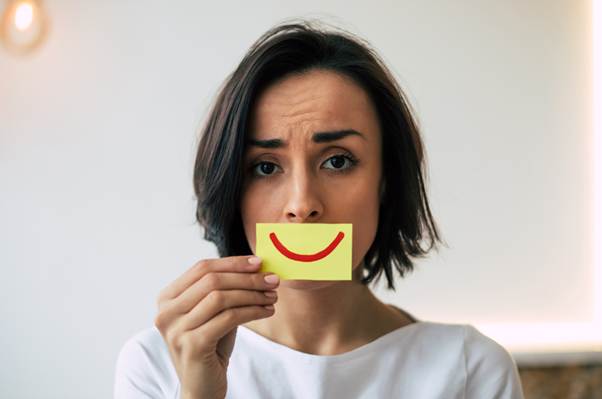
What is Toxic Positivity?
Toxic positivity means always focusing on positive thinking, even when life is hard. While staying positive can help, toxic positivity ignores real feelings. For example, someone may say, “Just stay happy,” when you are sad. This can make you feel worse. Toxic positivity is different from healthy optimism. It pushes people to hide their true emotions. According to mental health experts, this can harm your well-being. The effects of toxic positivity are often hidden but real.
Common Signs and Examples
It is important to spot toxic positivity in daily life. Here are some common signs and examples:
- Ignoring or dismissing negative emotions
- Using phrases like “Good vibes only” or “It could be worse”
- Feeling guilty for being sad or upset
- Pressuring others to “look on the bright side” all the time
- Hiding your struggles to avoid being judged
For instance, if a friend loses a job and you say, “At least you have your health,” this is toxic positivity. Instead, it is better to listen and show support.
Causes and Why It Happens
Many people want to help others feel better. However, sometimes they use toxic positivity without knowing it. Social media often shows only happy moments. Because of this, people may feel pressure to hide their pain. In some cultures, showing sadness is seen as weak. As a result, people may avoid talking about real feelings. Sometimes, families or workplaces encourage “staying positive” at all costs. This can lead to toxic positivity in relationships and groups.
Psychological and Emotional Effects
Toxic positivity can harm your mental health. When you hide your feelings, stress can build up. Over time, this may lead to anxiety or depression. According to the American Psychological Association, ignoring emotions can make them stronger. People may feel lonely or misunderstood. In addition, toxic positivity can damage trust in relationships. If you feel forced to be happy, you may stop sharing your true self. This can make healing harder.
How to Recognize Toxic Positivity in Yourself and Others
It is not always easy to spot toxic positivity. Still, you can look for these signs:
- You avoid talking about problems or hard feelings
- You tell others to “cheer up” instead of listening
- You feel uncomfortable when someone is sad
- You judge yourself for feeling upset
- You use only positive quotes or sayings, even in tough times
If you notice these habits, you may be using toxic positivity. Recognizing it is the first step to change.
Healthy Alternatives and Coping Strategies
Instead of toxic positivity, try these healthy ways to cope:
- Allow yourself and others to feel all emotions
- Listen without judging or offering quick fixes
- Use supportive phrases like “It’s okay to feel this way”
- Share your feelings with trusted friends or family
- Practice self-care, such as deep breathing or journaling
For example, if someone is upset, say, “I’m here for you.” This helps build trust and support. Healthy coping means accepting both good and bad feelings.
Prevention Tips and When to Seek Help
To avoid toxic positivity, try these tips:
- Be honest about your feelings
- Encourage open talks about emotions at home or work
- Limit time on social media if it makes you feel bad
- Learn about mental health from trusted sources like the CDC or WHO
- Support others without forcing them to be positive
If you feel overwhelmed or unable to cope, seek help from a mental health professional. Early support can make a big difference. Remember, it is healthy to feel a range of emotions.
If you or someone you know is struggling with toxic positivity, consult a mental health professional for personalized support.