
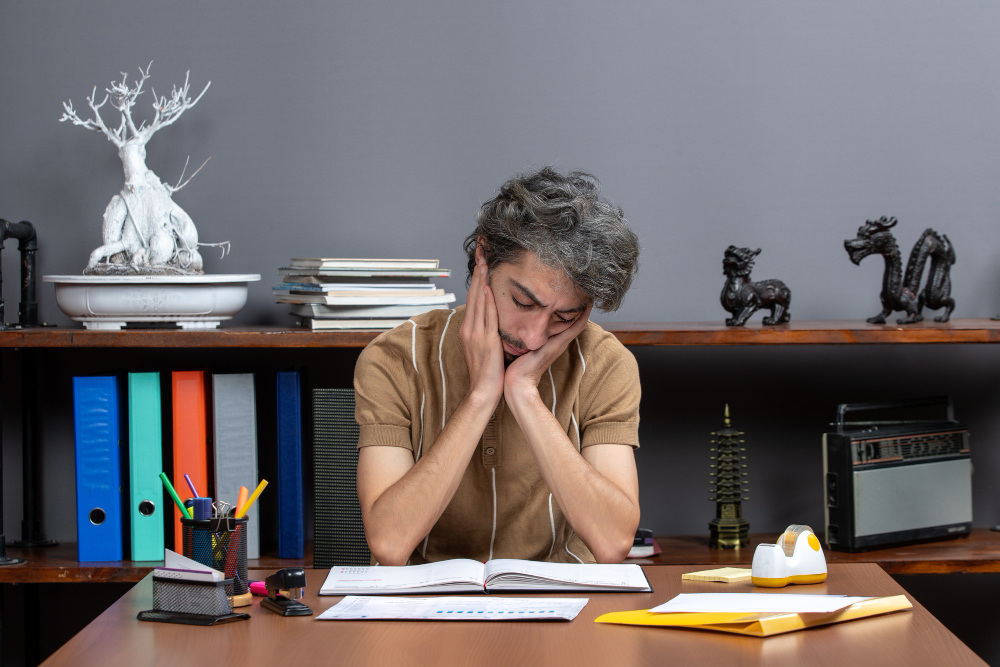
What Is Burnout Due to Academic or Work Pressure?
Burnout due to academic or work pressure is a state of physical, mental, and emotional exhaustion. It happens when ongoing stress from work or school becomes too much. Many people feel overwhelmed, tired, and unable to meet constant demands. Over time, this stress can affect your health, mood, and performance. According to the World Health Organization (WHO), burnout is a real health concern. It can happen to anyone facing high demands at work or school. For example, students and employees often feel burnout from work or academic stress burnout. Recognizing burnout early is important for managing burnout at work or school.
Common Symptoms
Burnout shows up in many ways. Some signs of burnout are easy to spot, while others are not. However, knowing the symptoms can help you act early. Here are common symptoms:
Sometimes, these symptoms can be mistaken for other issues. But if they last for weeks, it may be burnout due to academic or work pressure.
Main Causes
Many factors can lead to burnout from work or school. Often, it is not just one thing. Instead, several causes add up over time. Some main causes include:
Because these causes often build up, it is important to notice them early. This way, you can learn how to prevent burnout before it becomes severe.
How Burnout Is Diagnosed
Doctors and mental health professionals use several steps to diagnose burnout. First, they ask about your symptoms and daily life. Next, they may use simple questionnaires to check your stress levels. Sometimes, they rule out other health problems that look like burnout. For example, thyroid issues or depression can cause similar symptoms. However, only a trained professional can make a clear diagnosis. If you think you have burnout due to academic or work pressure, talk to your doctor or counselor.
Effective Treatment Options
Treating burnout from work or school often involves several steps. Early action can help you recover faster. Here are some effective treatment options:
Sometimes, making small changes can make a big difference. But if symptoms do not improve, professional help is important for managing burnout at work or school.
Prevention Tips and Lifestyle Guidance
Preventing burnout due to academic or work pressure is possible. With the right habits, you can lower your risk. Here are some helpful tips:
By following these steps, you can learn how to prevent burnout and stay healthy.
When to Seek Professional Help
Sometimes, burnout does not go away on its own. If you notice your symptoms getting worse, it is time to seek help. For example, if you feel hopeless, cannot function at work or school, or have thoughts of self-harm, reach out right away. Mental health professionals can offer support and guidance. Remember, asking for help is a sign of strength, not weakness.
If you or someone you know is experiencing burnout, consult a mental health professional for personalized support.