
What Is Social Anxiety?
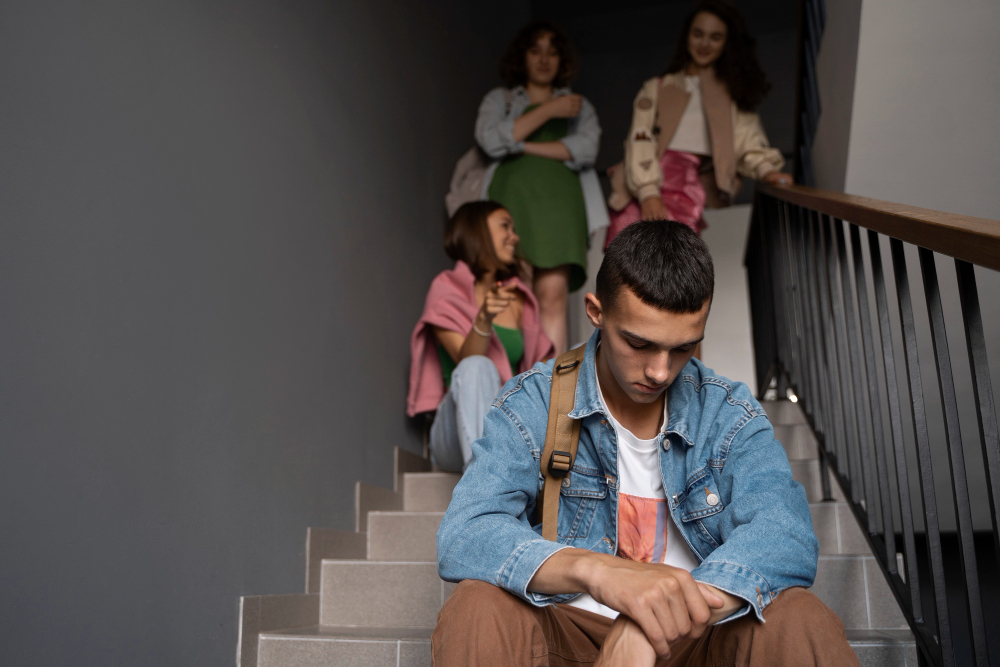
Social anxiety is a strong fear of being judged or embarrassed in social situations. Many people feel nervous sometimes, but social anxiety is more intense. It can make daily life very hard. According to the World Health Organization (WHO), social anxiety is a common mental health issue. People with social anxiety often avoid social events. They may worry about what others think. This fear can last for months or even years. For some, it starts in childhood or teenage years. Early help can make a big difference.
Common Symptoms and Signs
Social anxiety shows up in many ways. Some signs are easy to spot, while others are not. Here are some common symptoms:
Sometimes, people may not realize they have social anxiety. But if these feelings happen often, it may be time to seek help.
Causes and Risk Factors
There is no single cause of social anxiety. However, several factors can raise the risk. For example, family history can play a role. If a parent or sibling has social anxiety, you may be more likely to have it too. Also, stressful or embarrassing events in the past can trigger social anxiety. Sometimes, brain chemicals that control mood may be out of balance. Even personality traits, like being shy, can add to the risk. The Centers for Disease Control and Prevention (CDC) notes that both genes and environment matter.
How Social Anxiety Affects Daily Life
Social anxiety can make simple tasks feel hard. For instance, going to school, work, or even the store may cause stress. Some people avoid making phone calls or speaking in groups. Others may skip parties or meetings. Over time, this can lead to loneliness. It can also affect grades, job performance, and friendships. Because of this, social anxiety can lower self-esteem. But with the right support, things can get better.
The Role of Counselling in Managing Social Anxiety
Counselling for social anxiety offers a safe space to talk about fears. A trained counsellor listens and helps you find ways to cope. Many people feel relief after sharing their worries. Counselling can teach new skills to handle stress. It can also help you face social situations with more confidence. Over time, these changes can improve your quality of life.
Types of Counselling and Therapy Approaches
There are several types of therapy for social anxiety. The most common is cognitive behavioral therapy (CBT). CBT helps you change negative thoughts and behaviors. It is proven to work well for social anxiety. Other options include:
Each person is different, so a counsellor will help choose the best approach.
What to Expect During Counselling Sessions
During your first session, the counsellor will ask about your feelings and experiences. They may ask about your goals for therapy. Next, you will work together to make a plan. In later sessions, you may learn ways to manage anxiety. For example, you might practice deep breathing or role-play social situations. Over time, you will build confidence. Most sessions last about 45 to 60 minutes. You can ask questions at any time.
Benefits of Counselling for Social Anxiety
Counselling offers many benefits for people with social anxiety. For instance, it can help you:
With regular sessions, many people see big improvements. Even small changes can make daily life easier.
Tips for Seeking Help and Overcoming Stigma
It is normal to feel nervous about asking for help. However, reaching out is a sign of strength. Here are some tips:
Stigma around mental health is common, but it is changing. More people now understand that mental health matters.
Prevention and Self-Care Strategies
While you cannot always prevent social anxiety, self-care can help. For example, try these strategies:
Above all, be kind to yourself. Change takes time, but every step counts.
Conclusion
Social anxiety can make life feel hard, but help is available. Counselling for social anxiety offers support and new skills. If you or someone you know struggles with social anxiety, consult a qualified counsellor for personalized support.