
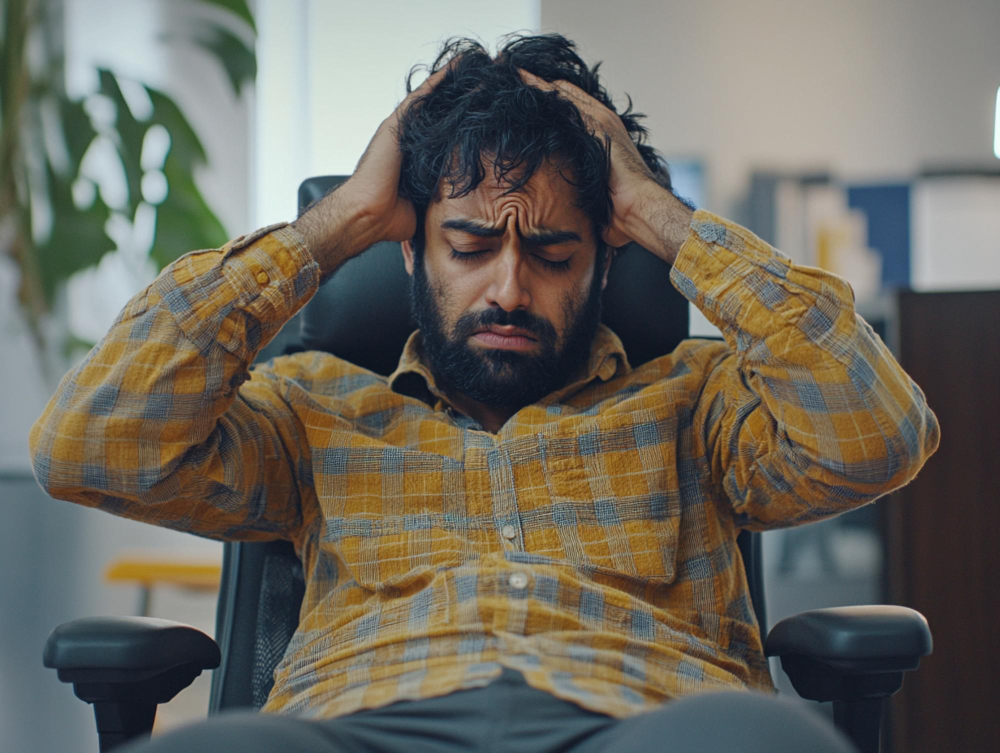
What is Chronic Stress?
Chronic stress is a feeling of pressure that lasts for a long time. Unlike short-term stress, it does not go away quickly. Instead, it can stay for weeks, months, or even years. Many people face chronic stress due to work, family issues, or health problems. Because it lasts so long, chronic stress can affect both your body and mind. In fact, experts from the World Health Organization (WHO) say that long-term stress can harm your overall well-being.
How Chronic Stress Affects Mental Health
Chronic stress and mental health are closely linked. When stress lasts for a long time, it can change how you feel and think. For example, you may start to feel sad, anxious, or angry more often. Over time, this can lead to mental health problems like depression or anxiety disorders. In addition, chronic stress can make it hard to sleep or focus. Because of these effects, it is important to learn about chronic stress management and seek help when needed.
Common Symptoms and Causes of Chronic Stress
Many people do not realize they are under chronic stress. However, there are some common signs to watch for:
There are many causes of chronic stress. For instance, ongoing problems at work or home can be a trigger. Sometimes, money worries or health issues also play a role. In some cases, a big life change, like moving or losing a loved one, can lead to long-term stress. Because everyone is different, the causes can vary from person to person.
The Role of Counseling in Managing Chronic Stress
Counseling for stress relief can be very helpful. In counseling, you talk with a trained mental health professional. They listen to your concerns and help you find ways to cope. For example, they may teach you how to relax or solve problems in a healthy way. In many cases, counseling gives people the tools they need for chronic stress management. According to the Centers for Disease Control and Prevention (CDC), talking to a counselor can lower stress and improve mental health.
Benefits of Counseling for Mental Health
Counseling offers many benefits for people dealing with chronic stress and mental health issues. Some of these include:
Because counseling is private and safe, many people find it easier to share their feelings. Over time, this support can make a big difference in how you feel each day.
Tips for Seeking Professional Help
If you think you need help with chronic stress, it is important to take action. Here are some tips for finding the right support:
Remember, seeking help is a sign of strength, not weakness. Early support can prevent stress from getting worse.
Prevention and Lifestyle Guidance
While counseling is helpful, there are also steps you can take at home. For example, healthy habits can lower your risk of chronic stress. Try these tips for better stress management:
Because everyone is different, you may need to try a few methods to see what works best for you. However, making small changes can have a big impact over time.
In summary, chronic stress and mental health are closely linked. Counseling for stress relief can help you feel better and manage daily challenges. Consult a licensed mental health professional for personalized advice on managing chronic stress.