
Introduction
Many students face classroom struggles at some point. Sometimes, these issues are minor and pass quickly. However, ongoing problems may signal a deeper concern. A psychological assessment for classroom struggles can help. This process looks at signs a student needs psychological evaluation. It also explores classroom learning difficulties and mental health in education. Early support can make a big difference for students.
What Are Classroom Struggles?
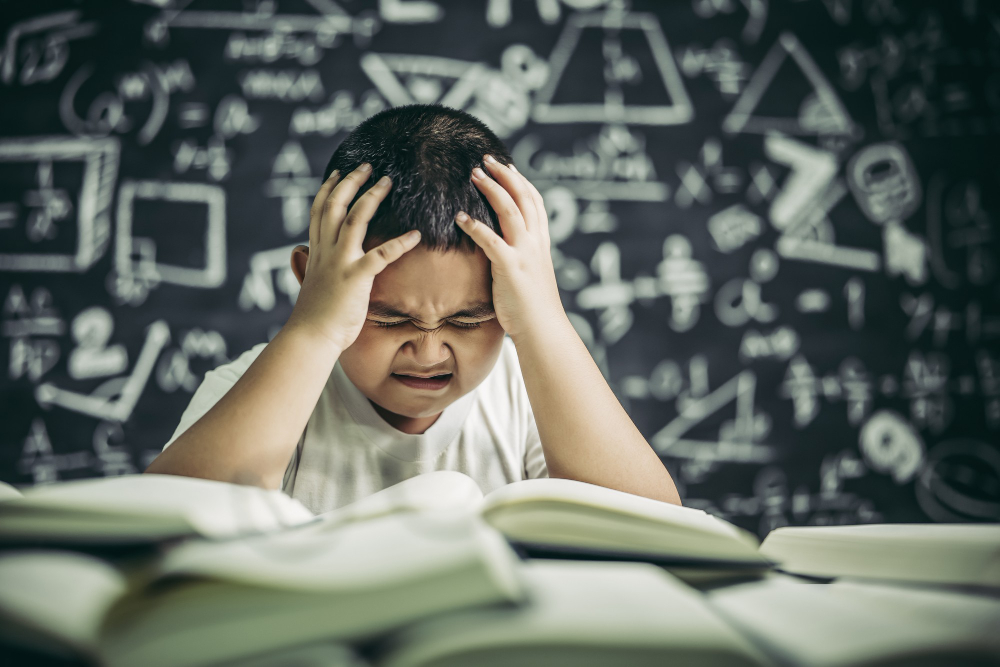
Classroom struggles mean a student has trouble learning or behaving in school. These struggles can look different for each child. For example, some students may have trouble reading or writing. Others may find it hard to pay attention or follow rules. While every student has tough days, ongoing problems may need more help.
But, not all struggles mean a serious problem. Still, it is important to watch for patterns over time.
When Do Classroom Struggles Indicate the Need for a Psychological Assessment?
Sometimes, classroom struggles last for weeks or months. In these cases, a psychological assessment may help. For instance, if a student falls behind in many subjects, it could be a sign. Or, if a child’s mood changes and does not improve, it may be time to seek help. Early signs a student needs psychological evaluation include:
Therefore, if these signs continue, a psychological assessment can provide answers.
Causes of Classroom Struggles That May Require Assessment
Many factors can lead to classroom struggles. Sometimes, learning disorders like dyslexia or ADHD are the cause. Other times, emotional issues such as anxiety or depression play a role. In addition, family stress or bullying can affect a student’s school life. According to the CDC, mental health in education is key for student success. Because of this, understanding the root cause is important for proper support.
The Psychological Assessment Process: What to Expect
A psychological assessment is a careful look at a student’s strengths and needs. First, a psychologist will talk with the student, parents, and teachers. Next, the student may complete tests or answer questions. These tests check thinking skills, emotions, and behavior. Sometimes, classroom observations are included. After the assessment, the psychologist shares the results and suggests next steps. This process helps create a plan that fits the student’s needs.
Benefits of Early Assessment and Intervention
Early assessment can change a student’s school experience. When problems are found early, students get the right help sooner. As a result, they may feel more confident and do better in class. Early support can also prevent bigger problems later. The World Health Organization notes that early mental health care leads to better outcomes for children.
Tips for Parents and Teachers: Supporting Students Before and After Assessment
Parents and teachers play a key role in helping students. Before an assessment, it helps to:
After an assessment, it is important to:
With teamwork, students can overcome many challenges.
Prevention and Promoting Mental Well-Being in the Classroom
Promoting mental well-being helps prevent classroom struggles. For example, schools can teach coping skills and stress management. Teachers can create a safe, welcoming classroom. Parents can encourage open talks about feelings. In addition, regular check-ins with students help spot problems early. Together, these steps support healthy learning and growth.
Conclusion
Classroom struggles are common, but ongoing issues may need more attention. A psychological assessment for classroom struggles can help find the cause and guide support. If you notice persistent classroom struggles in a student, consult a qualified psychologist.