
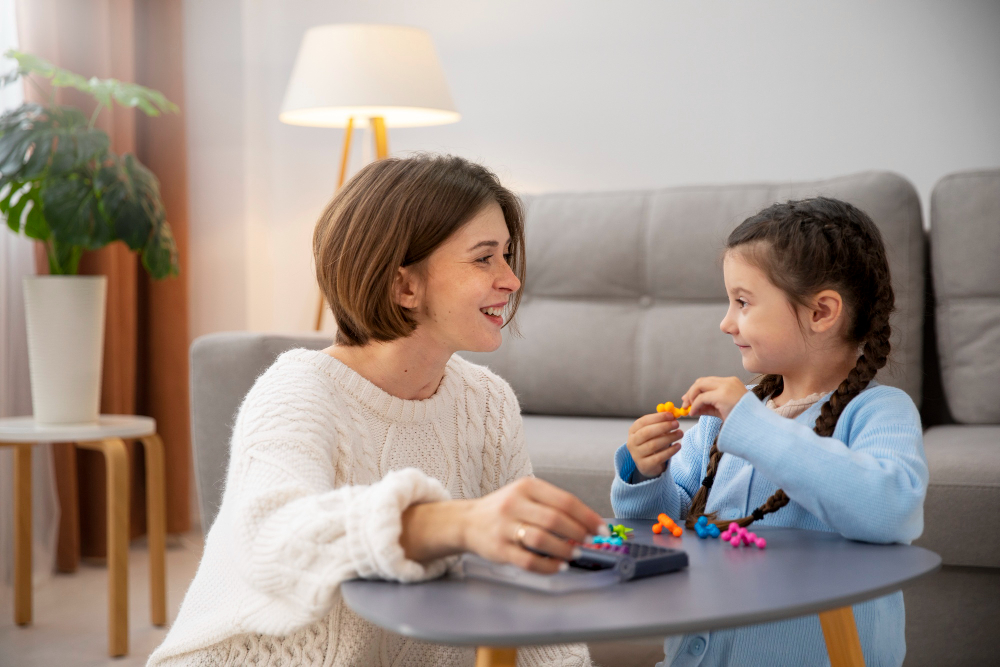
Play therapy is a special way to help children talk about their feelings and problems. It uses play, which is a natural activity for kids, to support their mental health. Many experts agree that play therapy can help children express emotions, solve problems, and feel better. In fact, the benefits of play therapy for children are well-known. It is a key part of child mental health support. If you wonder how play therapy helps kids, this blog will explain why it matters so much.
What is Play Therapy?
Play therapy is a type of counseling for children. Instead of talking, kids use toys, games, and art to share their thoughts. Because children may not have the words to explain how they feel, play gives them another way to show what is inside. In play therapy, a trained therapist guides the child. The therapist watches and listens as the child plays. This helps the therapist understand the child’s feelings and needs. According to the American Psychological Association, play therapy is a proven way to help children with many issues.
Why Play Therapy Matters in Children’s Mental Health
Children face many challenges as they grow. Sometimes, they feel sad, scared, or angry. However, they may not know how to talk about these feelings. Play therapy matters in children’s mental health because it gives kids a safe space. Here, they can express themselves without fear. Also, play therapy helps children learn to cope with stress. It can build trust between the child and the therapist. As a result, children often feel more understood and supported.
Common Mental Health Challenges in Children Addressed by Play Therapy
Many children struggle with mental health issues. Play therapy can help with:
Because play therapy is gentle, it works well for children who may not want to talk. The CDC notes that early support can make a big difference for kids facing these challenges.
How Play Therapy Works: Methods and Approaches
Play therapy uses many methods. For example, therapists may use:
Sometimes, the therapist leads the play. Other times, the child chooses what to do. Both ways help the therapist learn about the child’s world. Over time, children gain new skills and feel more confident.
Benefits of Play Therapy for Children and Families
There are many benefits of play therapy for children and their families. For instance:
According to the Association for Play Therapy, these benefits can last a long time. Play therapy can also improve family relationships.
When to Consider Play Therapy for Your Child
It can be hard to know when your child needs extra help. However, you may want to consider play therapy if your child:
If you notice these signs, talk to your child’s doctor or a mental health professional. Early support can make a big difference.
Tips for Parents: Supporting Your Child’s Mental Health at Home
Parents play a big role in child mental health support. Here are some tips:
Remember, you are not alone. Many families need support at times.
Prevention and Early Intervention: The Role of Play Therapy
Early help is important for children’s mental health. Play therapy can prevent small problems from becoming bigger ones. When children get support early, they often do better in school and with friends. The World Health Organization says early intervention can improve a child’s future health and happiness. So, play therapy is not just for problems. It can also help children grow strong and healthy.
If you think your child could benefit from play therapy, consult a qualified mental health professional. They can guide you and your family toward the right support for your child’s needs.