
What is a Learning Disability?
A learning disability is a condition that affects how a person learns new things. It can make reading, writing, or math harder than usual. However, it does not mean a person is less smart. Many people with learning disabilities are bright and creative. But, they may need extra help to learn in school or at work. According to the CDC, learning disabilities are common in children and adults.
Common Symptoms and Signs
Learning disability symptoms can look different for each person. Still, there are some signs to watch for. Early signs often show up in school. For example, a child may:
Sometimes, adults notice these signs too. But, they may have learned ways to hide their struggles. Even so, learning disabilities can affect daily life and self-esteem.
Causes and Risk Factors
Doctors do not always know what causes a learning disability. Yet, some risk factors can increase the chance. For instance, these include:
Even though these factors play a role, not every child with them will have a learning disability. Also, some children with learning disabilities have no known risk factors.
How Learning Disabilities Are Diagnosed
Early diagnosis is important for getting the right support. But, diagnosing a learning disability can take time. Usually, the process starts when parents or teachers notice learning problems. Then, a specialist will do tests to check skills in reading, writing, and math. They may also look at memory, attention, and language skills. In many cases, a team of experts, such as psychologists and teachers, work together. According to the CDC, a full evaluation helps find the best support plan.
Treatment and Support Options
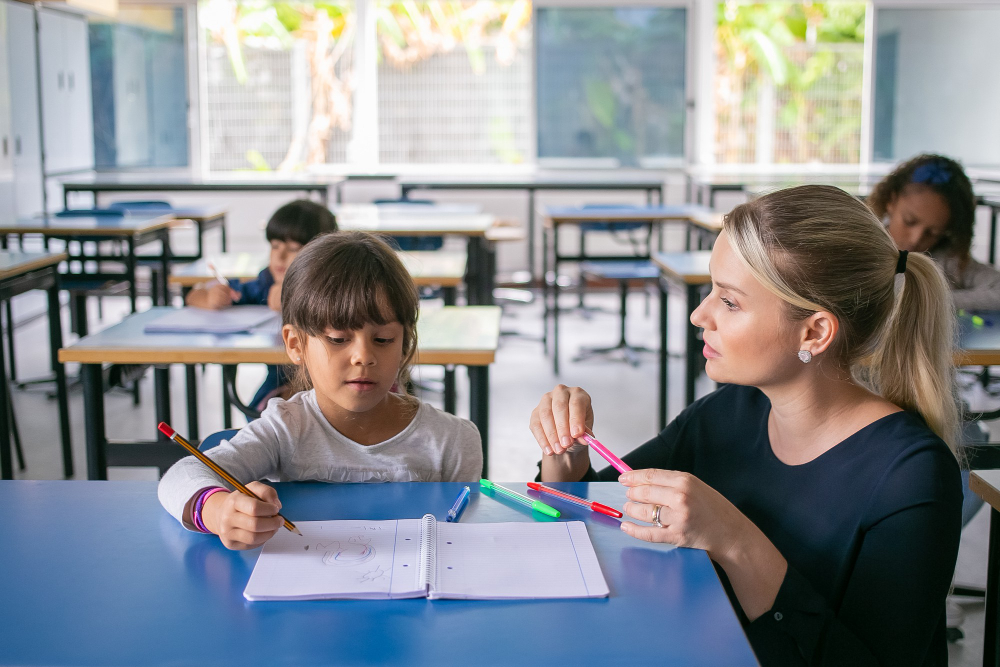
There is no cure for learning disabilities. However, many support options can help. For example, schools may offer special teaching plans. These plans use different ways to teach reading or math. Some children get extra time on tests. Others may use tools like audiobooks or speech-to-text software. At home, parents can help by reading together or using games to build skills. In some cases, therapy with a specialist can also help. With the right support, people with learning disabilities can succeed.
Lifestyle Tips for Individuals and Families
Living with a learning disability can be challenging. Still, there are many ways to make life easier. Here are some tips:
Moreover, families should talk openly about learning disabilities. This helps build confidence and reduces stress.
Prevention and Early Intervention
Although not all learning disabilities can be prevented, early action can help. For example, regular check-ups during pregnancy lower some risks. Also, keeping children away from toxins like lead is important. If you notice learning problems early, talk to a doctor or teacher. Early intervention programs can start support before school age. As a result, children may have better outcomes later in life.
In summary, learning disabilities are common but manageable. With early diagnosis and the right support, people with learning disabilities can thrive. Consult a specialist for personalized guidance on learning disabilities.