
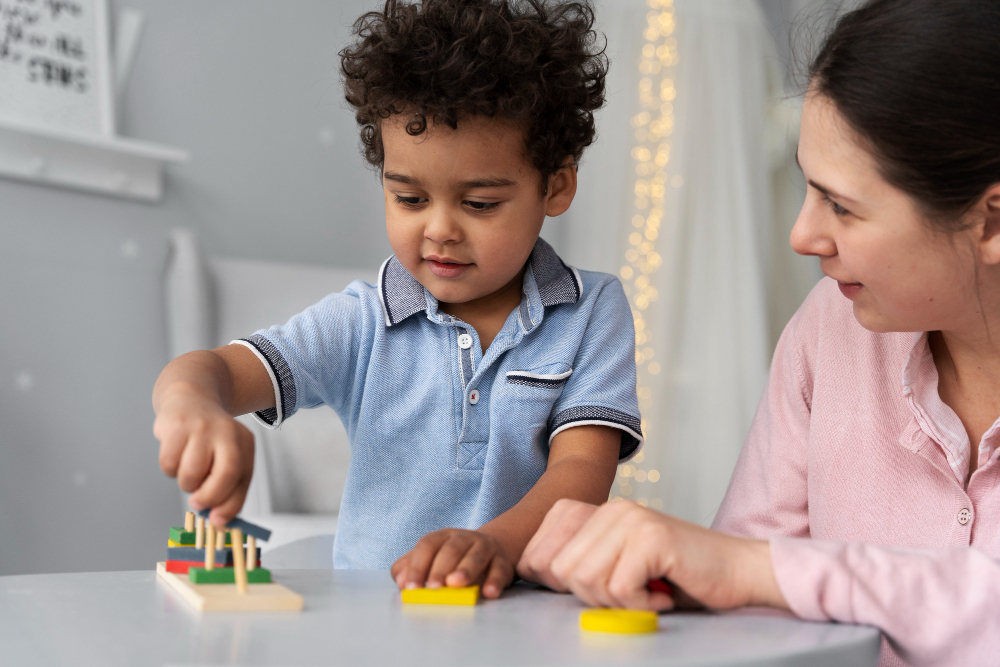
What is Early Intervention?
Early intervention in child development means giving support to children as soon as possible when they show signs of delays. This support can include therapy, special teaching, or family help. Often, early intervention in child psychology starts before a child enters school. For example, some children may need help with speech, movement, or social skills. Early action can make a big difference in a child’s life.
Why Early Intervention Matters in Child Development
Many experts agree that the first years of life are very important. During this time, a child’s brain grows quickly. Because of this, early intervention in child development can shape how a child learns and interacts. According to the CDC, children who get help early are more likely to reach their early childhood milestones. In fact, early support can prevent bigger problems later. For families, this means less worry and more hope for the future.
Signs a Child May Benefit from Early Intervention
Some children develop at different speeds. However, certain signs may show a child needs extra support. Watch for these signs:
If you notice these signs, it is wise to talk to a doctor or child psychologist. Early intervention in child psychology can help address these concerns quickly.
How Early Intervention Works: Approaches and Strategies
Early intervention uses many approaches to help children. For instance, some children may need speech therapy to improve talking. Others may benefit from play therapy or special learning activities. In many cases, therapists work with families at home or in clinics. Some programs, like early intervention programs in New York or London, offer group sessions for children and parents. These strategies focus on building skills step by step. As a result, children gain confidence and learn faster.
Benefits of Early Intervention: Short-term and Long-term Outcomes
Early intervention in child development brings many benefits. In the short term, children often:
In the long term, research shows that early support can lead to:
According to the WHO, early intervention can reduce the need for special education later. Clearly, the benefits of early intervention last a lifetime.
Parental Guidance: How Families Can Support Early Intervention
Parents play a key role in early intervention. First, they can watch for signs of delay and seek help early. Next, they can work closely with therapists and teachers. For example, practicing new skills at home helps children learn faster. Also, joining support groups can give families new ideas and hope. Remember, every small step counts. With the right support, families can help their children thrive.
Prevention and Early Action: Tips for Parents and Caregivers
Taking early action can prevent bigger challenges. Here are some tips for parents and caregivers:
By staying involved, you help your child build a strong foundation for the future.
In summary, early intervention in child development can change a child’s life for the better. If you have concerns, consult a qualified child psychologist or pediatrician for personalized early intervention guidance.